Caring for Pets and Farm Animals With Kindness and Knowledge.
14 January, 2026· Article by David Brown


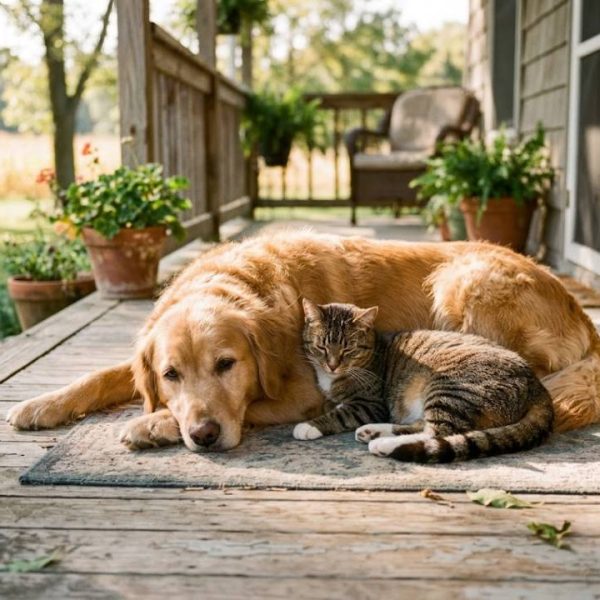
Animals shape our homes, farms and neighbourhoods, and they depend on us for food, shelter and attention. Good care is part knowledge and part kindness. This guide covers practical habits that keep pets and farm animals healthy, safe and content.
Start With the Basics of Daily Care
Every animal needs clean water, suitable food, shelter and company. Checking these four things each day prevents most problems. Routine is the quiet foundation of good welfare, and animals feel calmer when meals and rest follow a pattern.
Choose Food That Fits the Species
Dogs, cats, rabbits, hens and goats all have different diets. Read labels, ask a vet and avoid sharing human leftovers that may be harmful. Fresh water should always sit beside any meal.
Learn to Read Body Language
Ears, tails, posture and sounds tell you how an animal feels. A tucked tail or flattened ears signals fear, while relaxed movement shows comfort. Understanding these signs prevents bites and builds trust.
Plan Regular Health Checks
Annual vet visits catch issues early. Vaccinations, worming and dental checks protect animals and the people around them. Keep a simple record of dates so nothing is missed during busy months.
Exercise Matters for Every Animal
Dogs need walks, cats need play and rabbits need space to run. Farm animals need room to graze and move freely. Regular activity keeps weight healthy and reduces boredom related behaviour problems.
Create a Safe Home Environment
Remove poisonous plants, secure cables and keep cleaning products locked away. Provide quiet hiding places so animals can retreat when visitors arrive. A safe space lowers stress and prevents accidents.
Training With Patience and Rewards
Reward based training works better than punishment. Short, cheerful sessions with treats or praise teach clear habits. Patience protects the bond between you and your animal and makes learning enjoyable for both.
Understand Seasonal Needs
Summer heat and winter cold create different risks. Provide shade, fresh water and ventilation in warm weather, and dry bedding and draught free shelter in cold spells. Never leave animals in parked vehicles.
Caring for Older Animals
Senior pets and livestock move more slowly and may need softer bedding, easier access to food and more frequent checks. Gentle handling and extra patience help them enjoy their later years in comfort.
Introduce New Animals Slowly
Meeting new companions should be gradual. Keep animals separate at first, swap bedding for scent exchange and supervise early contact. Rushing introductions often causes fear and conflict that takes weeks to repair.
The Value of Microchipping and Identification
A microchip with current contact details gives lost animals a fast route home. Collars with tags help too. Update records whenever you move or change phone numbers, because outdated details defeat the purpose.
Responsible Breeding and Adoption
Adopting from reputable rescues gives animals a second chance. If you consider breeding, research health, temperament and homes carefully. Responsible choices reduce the number of animals left without proper care.
Caring for Farm Animals Day to Day
Farm animals need secure fencing, clean bedding, balanced feed and regular inspection. Walk the field each morning and evening. Early notice of limping, coughing or reduced appetite makes treatment simpler.
Respecting Wildlife Neighbours
Hedgehogs, birds and foxes share our spaces. Avoid trapping or feeding them inappropriately, secure rubbish and leave natural cover in gardens. Contact a rescue organisation if you find an injured animal.
Working With International Animal Charities
Animal welfare groups often share guides across borders. If you assist Danish speaking partners or volunteers, dependable english to danish translation keeps care sheets and adoption forms clear for everyone involved.
Why Machine Translation Falls Short
Instructions about medicines and dosages cannot afford errors. Free tools often miss context, which is why understanding the Google Translate limits helps animal organisations decide when professional help is needed.
Support Your Local Shelter
Shelters welcome volunteers, donations of blankets and help with fundraising events. Even a few hours a month walking dogs or socialising cats makes a visible difference to animals awaiting homes.
Know the Law and Welfare Standards
Animal welfare legislation sets minimum standards of care. The RSPCA publishes accessible guidance on responsibilities for owners, from housing to transport and emergency treatment.
Prepare for Emergencies
Keep a small kit with food, medication, a carrier and contact details for your vet. Know the nearest emergency clinic. In floods or fires, planning ahead can save precious minutes and lives.
Teach Children Gentle Handling
Show children how to approach calmly, stroke softly and respect rest time. Supervised interactions build empathy and prevent accidents, and kind early lessons shape caring adults.
Watch for Signs of Stress or Illness
Changes in appetite, hiding, aggression or toilet habits often signal trouble. Do not wait for symptoms to worsen. A quick call to the vet may prevent a minor concern becoming a serious one.
Enjoy the Companionship
Animals give comfort, laughter and purpose. Time spent grooming, playing or simply sitting beside them strengthens the relationship and reminds us why careful, patient care is worth the effort.
Final Thoughts
Caring well for animals comes down to attention, patience and consistency. Pick one habit from this list to improve this week, and your animals will reward you with trust, health and years of loyal companionship.
Recent Posts

The Siberian Fox Experiment an...

Vom Wolf zum Hund und was die ...

Domestication du chat, de l’...

Comment l'homme a façonné l'...

Domestication Syndrome: Why Ta...

What Thousands of Years of Evo...
Share it.

Links
We use cookies
We use cookies to give you the best online experience, remember your preferences, and understand how the site is used. You can accept all cookies, reject optional ones, or choose which categories to allow.
Privacy PolicyCookie preferences
Choose which cookies we can use. Necessary cookies stay on because the site cannot work without them.
For more details, read our Privacy Policy.