

Across deep time, life on Earth has transformed in extraordinary ways. Species have adapted, disappeared, and diversified in response to shifting climates, new predators, migrating prey, and changing landscapes. By examining how different animal groups have changed over millennia, we can better understand the invisible forces that continue to shape behavior, bodies, and survival strategies today.
1. From Fins to Feet: How Limbs Conquered the Land
One of the most dramatic changes in animal history is the move from water to land. Early vertebrates began with fins built for swimming, but over time these structures gradually became robust, jointed limbs capable of supporting weight. Bones strengthened, joints became more flexible, and digits appeared, allowing animals to walk, climb, and eventually run. This transition opened up new ecosystems, from forests to deserts, and set the stage for reptiles, birds, and mammals to thrive.
The shift was not just mechanical. Respiratory systems evolved from gills to lungs, skin adapted to prevent desiccation, and senses rebalanced to suit air instead of water. Even modern amphibians carry anatomical and physiological traces of this shift, acting as living reminders of the ancient journey from oceans to continents.
In the same way that animals refined their structures to master new environments, modern professionals refine their tools to master efficiency. Managing records, documents, and transactions has shifted from paper to streamlined, digital formats. A tool like a invoice generator pdf simplifies financial workflows, ensuring that critical information is organized, consistent, and ready for instant sharing—just as finely tuned as any evolutionary adaptation.
2. The Rise of Warm-Blooded Strategies
Over immense spans of time, some animals developed the ability to internally regulate body temperature rather than relying exclusively on the environment. Birds and mammals maintain a relatively constant temperature, regardless of external conditions. This change demands more energy, but it also grants powerful advantages, such as the ability to stay active in cold environments, hunt at night, and colonize regions that would be inaccessible to strictly cold-blooded animals.
Warm-bloodedness also reshaped behavior: it encouraged more complex parental care, increased mobility, and more intricate social structures because animals needed reliable access to food and cooperative strategies to sustain their energetic lifestyle. Fur and feathers emerged as insulation, further amplifying this physiological upgrade.
3. Eyes, Ears, and Smells: Senses Rewired for Survival
Sensory systems have undergone profound transformations. In the oceans, many fish developed lateral line systems to detect pressure waves, while some species evolved acute color vision to navigate coral reefs. On land, predators refined binocular vision for depth perception, and prey species gained wide-set eyes for panoramic awareness.
Hearing also changed significantly. Early land animals had relatively simple auditory structures, but over time, specialized ear bones and complex inner ears emerged, allowing better detection of subtle sounds. Owls, bats, and many mammals now rely on finely tuned hearing to hunt, communicate, and avoid danger. Meanwhile, species like dogs developed highly sensitive noses, turning scent into a primary channel of information.
4. Teeth, Beaks, and Diet Shifts
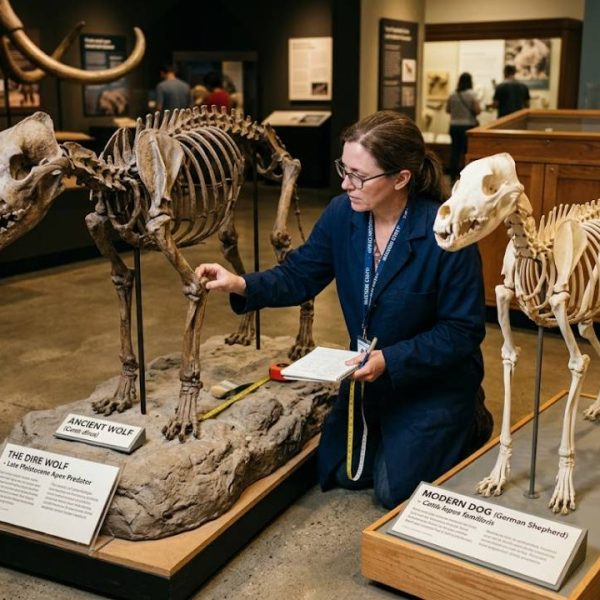
Diet is one of the strongest drivers of anatomical change. Carnivores often evolved sharp, slicing teeth and powerful jaws to tear flesh, while herbivores developed broad, grinding surfaces to process tough plant material. Omnivores display a mix of both, reflecting flexible feeding strategies.
Birds adapted their beaks to match their food sources. Hummingbirds carry long, slender beaks perfect for reaching nectar, while finches display a variety of shapes suited to seeds, insects, or fruit. Over long timescales, even slight dietary shifts can accumulate into dramatic changes in jaw structure, skull shape, and digestive systems.
5. Wings, Glides, and the Conquest of the Air
The ability to move through the air is an evolutionary milestone achieved by several lineages. Insects were among the first to fly, followed later by pterosaurs, birds, and bats. Each group arrived at flight through different anatomical solutions: lightweight skeletons, powerful flight muscles, specialized feathers, or membrane wings.
Some animals did not fully commit to powered flight but still found ways to exploit the vertical dimension. Flying squirrels and certain lizards evolved skin flaps or membranes that allow them to glide between trees, reducing time spent on the ground and escaping predators more effectively.
6. Armor, Spikes, and Other Defense Systems
Defensive adaptations show how evolution can produce both brute strength and subtle tricks. Early armored fish wore bony plates for protection. Later, reptiles and mammals experimented with shells, spines, and thick hides. Turtles enclosed themselves in near-impenetrable shells, while porcupines and hedgehogs developed sharp quills as deterrents.
Not all defenses are physical. Some frogs and insects evolved toxins, warning colors, or mimicry that makes them look like more dangerous species. Defensive behavior—such as group living, alarm calls, and camouflage strategies—grew alongside anatomical changes, creating a rich arsenal of survival techniques.
7. Brains, Social Behavior, and Complex Communication
As environments became more complex, so did animal brains and social structures. Many mammals and birds exhibit advanced problem-solving abilities, memory, and learning. Primates, dolphins, elephants, and corvids in particular show sophisticated behaviors such as tool use, cooperation, play, and even signs of self-recognition.
Communication systems evolved from simple signals to rich repertoires. Songbirds refine their calls across generations, whales use long-distance vocalizations, and primates employ facial expressions, gestures, and vocal sounds. These changes in cognition and communication underpin strong social bonds and coordinated group strategies that enhance survival and reproductive success.
Conclusion: Ongoing Change in a Shifting World
The history of animals is a story of continual adjustment to new challenges. Limbs, senses, diets, defenses, and minds have all reshaped in response to shifting habitats and pressures. What we see in the natural world today is a snapshot in an ongoing process, not a finished product.
As environments change faster than ever before due to human influence, species are facing unprecedented tests. Some adapt, some migrate, and others vanish. Understanding how past changes unfolded helps us recognize the fragility and resilience woven into every living form. By studying these transformations, we gain insight into our own place in the web of life—and the responsibility that comes with it.