How Animal Domestication Shaped Evolution and Human History.
09 August, 2022· Article by David Brown


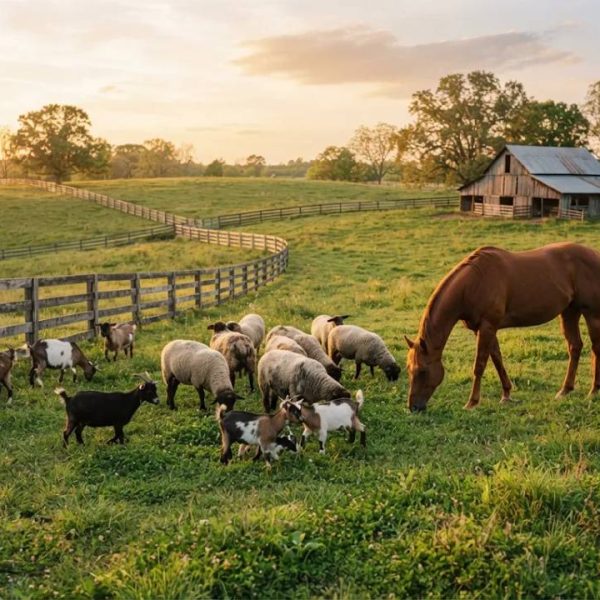
Humans and animals have shaped each other for more than ten thousand years. Dogs guarded camps, sheep and goats supplied wool and milk, horses carried people across continents, and cats learned that granaries attract mice. Domestication is not simply taming individual animals. It is a long evolutionary process in which whole populations change through selection, environment and close relationships with people.
What Domestication Means
Taming refers to a single animal that becomes used to people. Domestication refers to a population that has changed genetically across many generations because humans controlled breeding, feeding and living conditions. The differences can be seen in body shape, behavior, reproduction and even brain size.
Biologists often describe a domestication syndrome, a set of traits such as floppy ears, shorter faces, varied coat colors and reduced fear that appears in many species. Researchers still debate why these traits appear together.
How Evolution Drives the Process
Evolution works through variation, inheritance and selection. Animals that were calmer around people, tolerated crowded conditions or produced more offspring left more descendants in human settlements. Over time, those traits became common.
Domestication shows evolution at work in a time frame we can actually study, since written records, archaeology and DNA let scientists compare ancient and modern animals and trace how traits changed.
The Dog, the First Partner
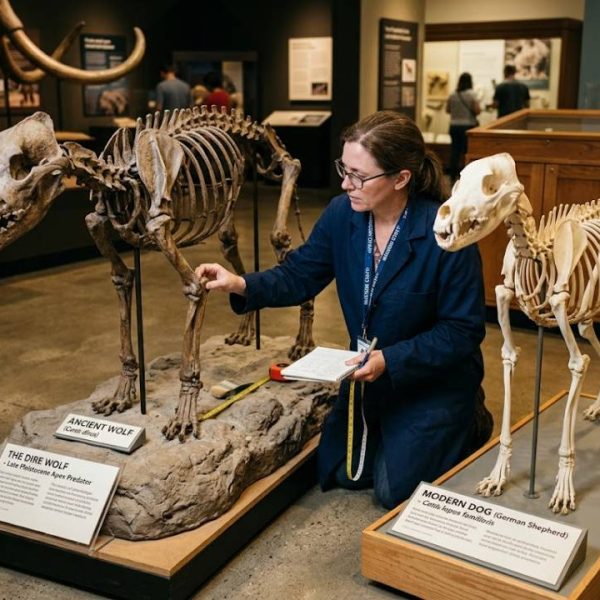
Dogs descend from ancient wolves and were likely the first domesticated animal, probably more than fifteen thousand years ago. Some wolves may have approached human camps to scavenge, and the least fearful individuals thrived. Humans benefited from warning, hunting help and company.
Today dogs vary from tiny companions to powerful herders. This diversity comes mostly from selective breeding over the last few hundred years, which produced breeds with specific shapes and skills.
Farm Animals and the Rise of Agriculture
Sheep, goats, cattle and pigs were domesticated in different regions around ten thousand years ago. They provided meat, milk, leather and wool, and they made settled farming more secure. Selection favored docility, faster growth and higher milk yields.
Their spread across continents influenced diets, trade and landscapes, and it also carried diseases that moved between animals and people.
Horses, Donkeys and Camels
Horses were domesticated on the grasslands of Central Asia, probably around five thousand years ago. Riding transformed travel, warfare and trade. Donkeys and camels made long-distance caravans possible across deserts and mountains.
Each species reshaped human societies in a unique way, connecting regions that had once been isolated.
Cats and Companion Animals
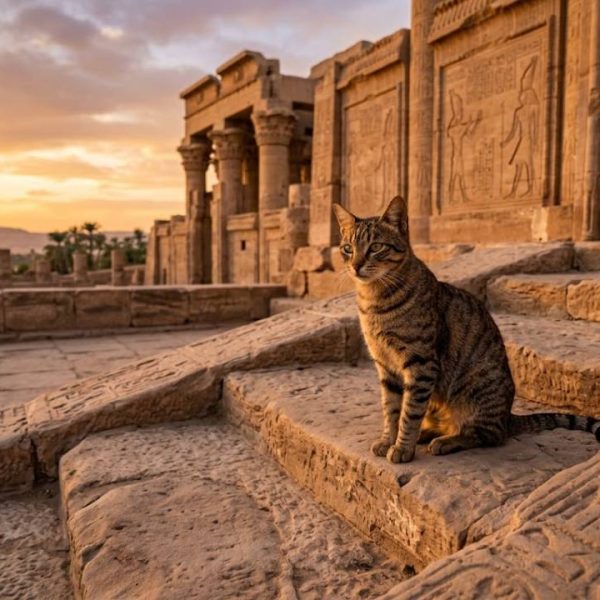
Cats appear to have joined human settlements by following rodents into grain stores. They were less strictly bred than dogs for most of history, and many cats still look and behave much like their wild relatives.
Modern pet keeping has added a new chapter, with breeds and care standards shaped by affection as much as by usefulness.
What DNA Tells Us
Ancient DNA allows researchers to compare bones from archaeological sites with living animals. Studies have revealed multiple origins for some species, gene flow between wild and domestic populations and surprising migration routes.
The Encyclopaedia Britannica entry on domestication gives a helpful overview of the history and the scientific debates around the topic for general readers.
Costs and Consequences for Animals
Domestication brings protection and food, but it can also cause problems. Extreme breeding has led to health issues such as breathing difficulties in flat-faced dogs and joint disorders in large breeds. Intensive farming raises welfare concerns.
Modern breeders, veterinarians and policymakers are working to improve standards and select for health as well as appearance.
Domestication Around the World and in Many Languages
Research on animal origins is international, with papers, museum collections and field guides published in many languages. Scientists and educators who share findings in Hebrew often use english to hebrew translation services to reach readers in Israel and beyond, and museum exhibits benefit from clear translation of labels and captions.
Students who read in Romanian can start with our overview of English to Romanian translation, which shows how professional translators handle technical vocabulary in science and education.
Wild Relatives and Conservation
Wild ancestors of many domestic animals are rare or extinct. Protecting wild relatives preserves genetic diversity that may help future breeding and resilience to disease.
Seed banks and animal gene banks store material for research and breeding programs.
Modern Questions About Human and Animal Relationships
Debates continue about animal welfare, the ethics of breeding and the role of pets in modern life. Advances in genetics raise questions about editing animal genomes. Informed public discussion requires good science communication.
Look for sources that explain evidence clearly and acknowledge uncertainty.
How Families and Teachers Can Explore the Topic
Visit farms, museums and animal shelters, read picture books about evolution and compare wild and domestic species. Ask children to describe the differences between wolves and dogs or wild boar and pigs.
Hands-on observation builds curiosity and understanding.
Final Thoughts
Domestication is an ongoing relationship between humans and other species. It illustrates how evolution works, how societies developed and how our choices affect animals.
Learning about it helps us treat animals with respect and understand the living world around us.
Pets, Livestock and Animal Welfare Today
Modern societies hold different views about how animals should be kept. Welfare science studies pain, stress and natural behavior, and it guides guidelines for housing, transport and slaughter. Consumers, farmers and policymakers all have a role in setting standards.
Choosing responsibly bred pets, adopting from shelters and supporting higher welfare farming are practical steps individuals can take.
Looking Ahead
New technologies such as genome sequencing and precision breeding promise healthier animals and more sustainable farming, but they also require careful ethical review. Public debate should include scientists, farmers, veterinarians and citizens.
Understanding the history of domestication helps put these new choices in context.
Reindeer, Foxes and Other Surprising Cases
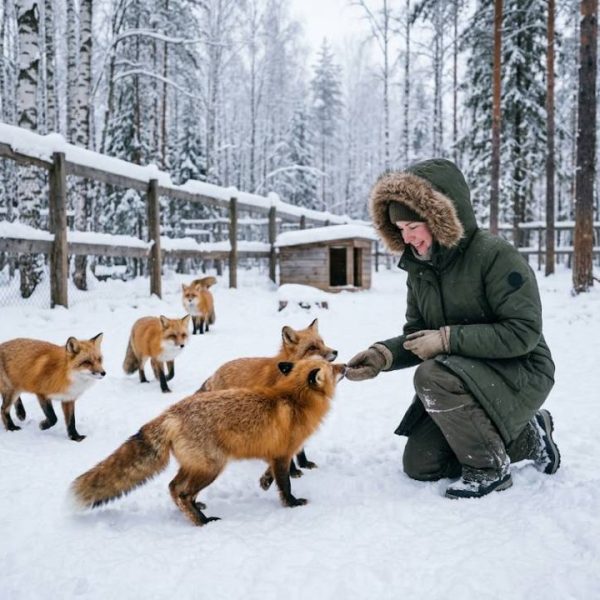
Domestication is not limited to familiar farm animals. Reindeer herders in northern regions manage semi-wild herds, silver foxes in a long Russian experiment became tame within a few generations, and many fish species are now raised in aquaculture. Each case shows different stages along the path from wild to domestic.
These examples also show that behavior can change surprisingly quickly under strong selection, which supports the idea that early humans did not need thousands of years to begin the process.
Bees, Silkworms and Insects
Honeybees and silkworms are domesticated insects that provide honey, wax and silk. Beekeepers manage hives, move colonies for pollination and select calmer, more productive queens. Silkworms have been bred for thousands of years and can no longer survive without human care.
Pollination services provided by managed bees are worth enormous sums to agriculture, which shows how domestication supports food systems.
Zoos, Museums and Learning Resources
Museums display skulls, skeletons and genetic data that show how animals changed, and zoos and farm parks let families see living examples. Good exhibits explain the evidence rather than simply presenting facts.
Teachers can combine a visit with simple activities, such as measuring skull shapes in photographs or comparing the behavior of breeds in the same species.
Recent Posts
The Siberian Fox Experiment an...

Vom Wolf zum Hund und was die ...
Domestication du chat, de l’...
Comment l'homme a façonné l'...
Domestication Syndrome: Why Ta...
Caring for Pets and Farm Anima...
Share it.

Links
We use cookies
We use cookies to give you the best online experience, remember your preferences, and understand how the site is used. You can accept all cookies, reject optional ones, or choose which categories to allow.
Privacy PolicyCookie preferences
Choose which cookies we can use. Necessary cookies stay on because the site cannot work without them.
For more details, read our Privacy Policy.